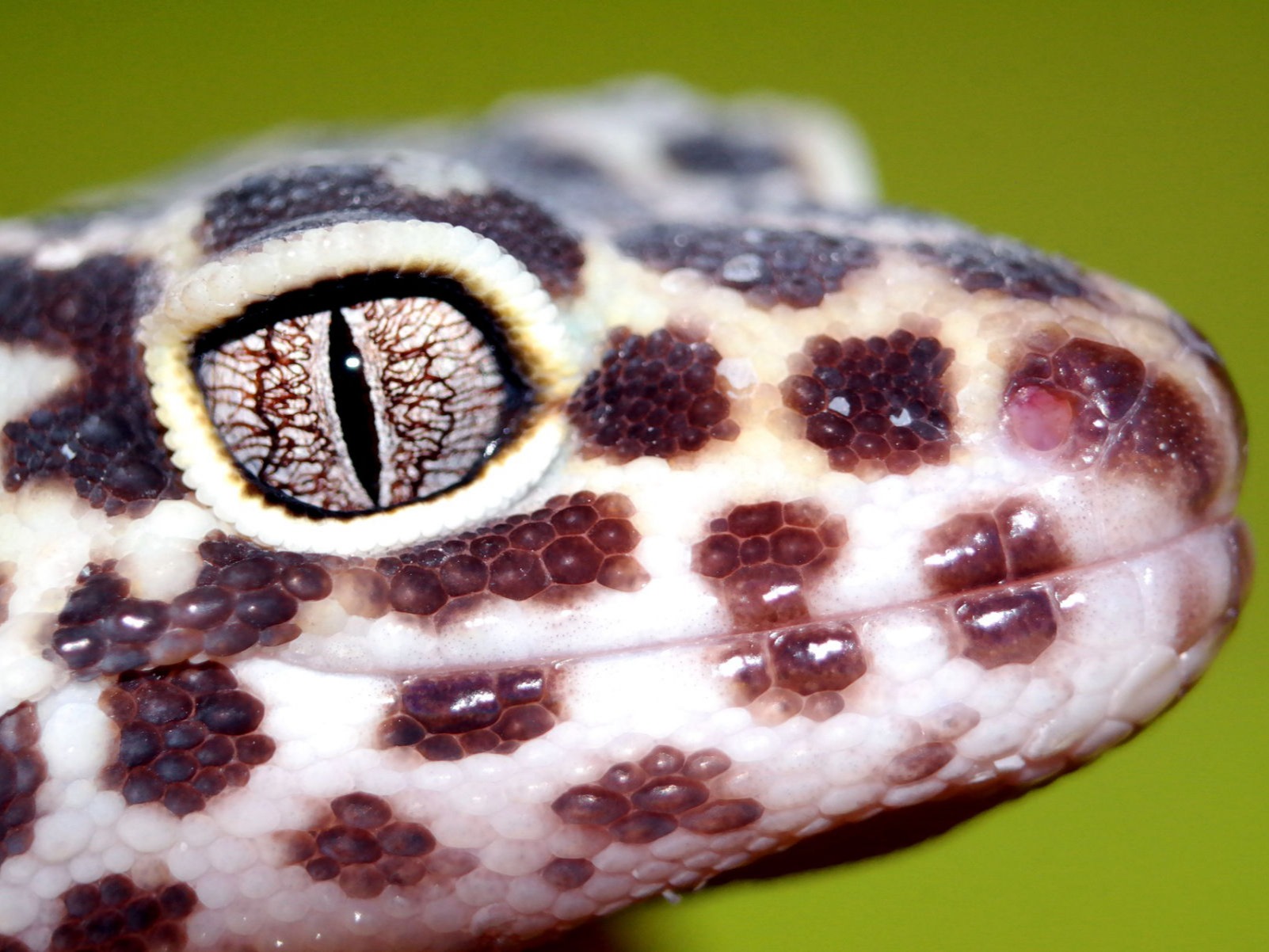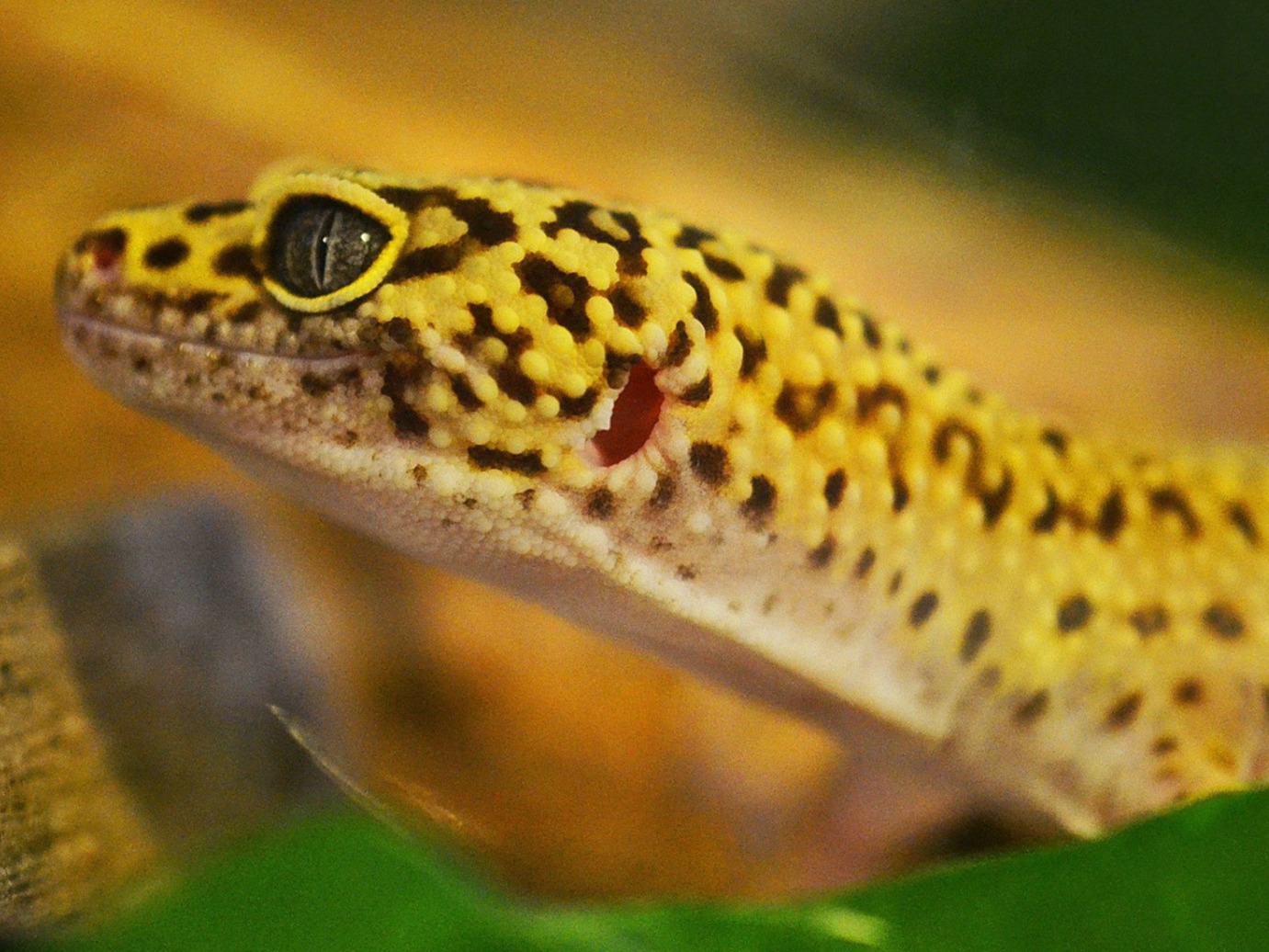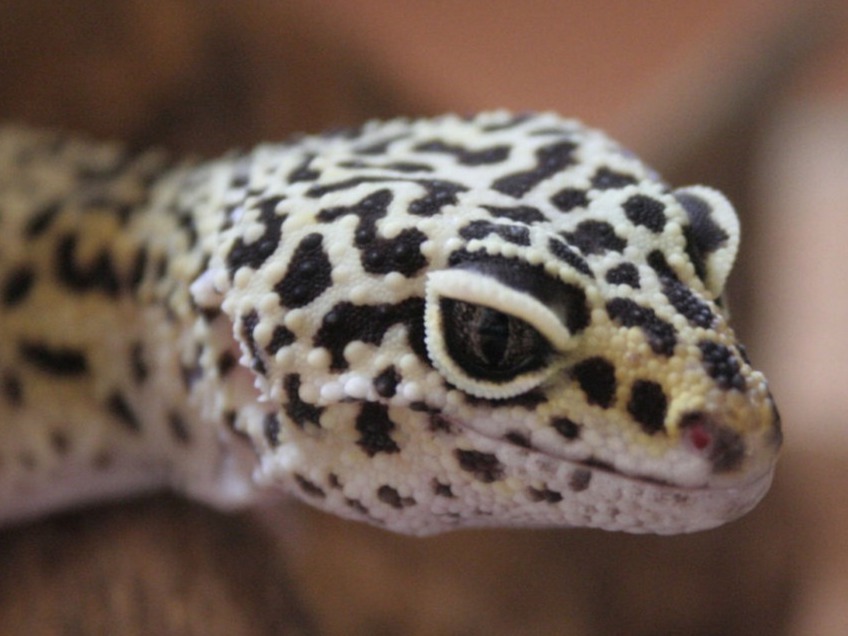
It is widely distributed in Central Asia and generally lives in arid shrubs. It can usually be found in the highlands of Asia and from Afghanistan to North India. The larvae are 3 to 4 inches long. Adult females are usually 7 to 8 inches, and males are 8 to 10 inches.
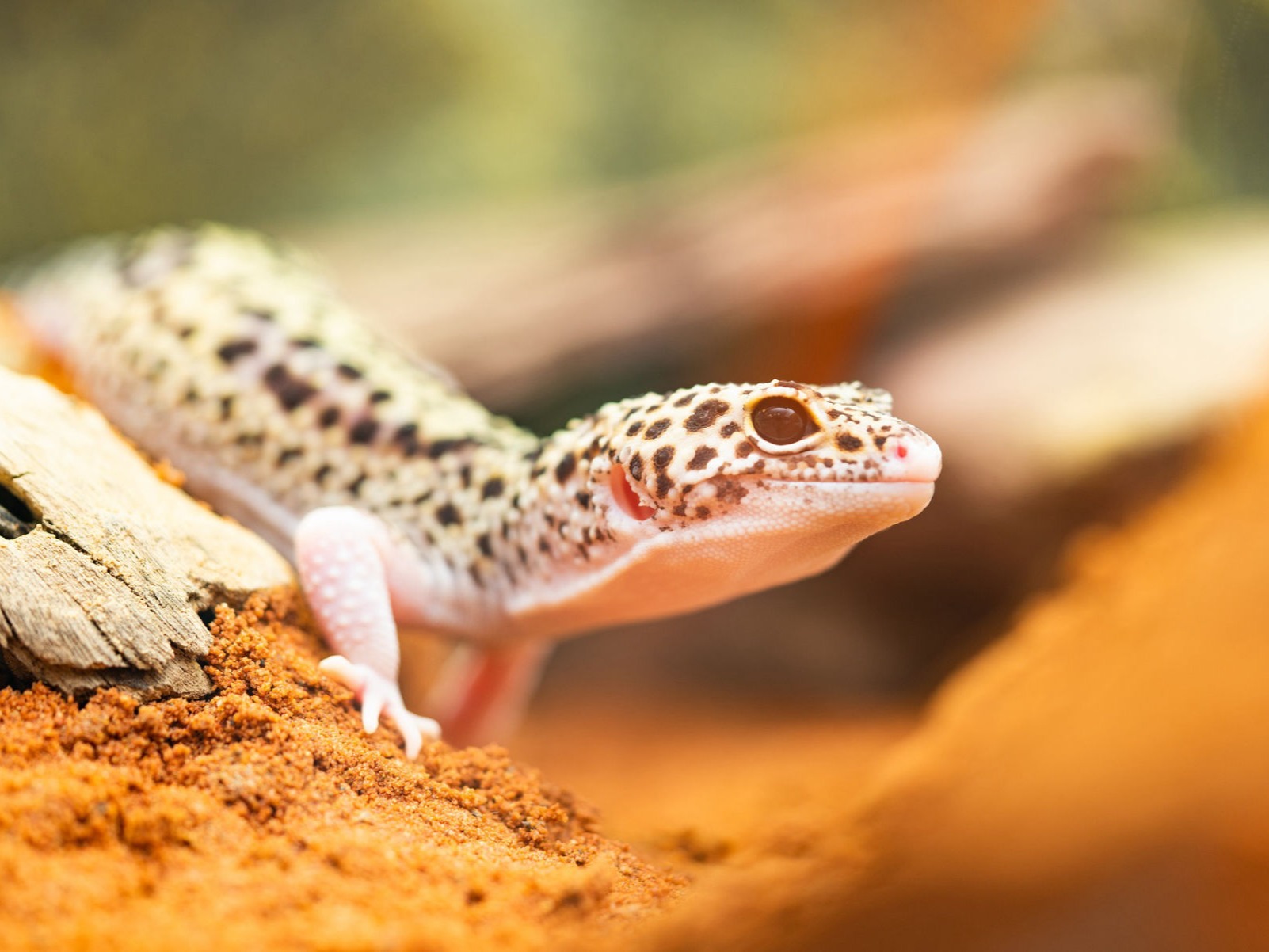
SUBSTRATE
Leopard geckos can be kept on various substrates. The main problem is that the intake of certain types of bases can cause effects. Always be aware that the gecko licks and closes almost everything in the tank. In the process, they may ingest substances that can cause obstruction of the digestive tract.
This can lead to serious complications and even death. First of all, the primary reason for the loose substrate is improper replenishment, but always be cautious, so toilet paper works well because they are absorbent, easy to clean, and reasonably priced.
TEMPERATURE
The best way to heat the Leopard Gecko is to use a heating pad. It is important to heat one end of the cylinder. This allows your gecko to require temperature changes. Hot stones tend to become too hot for leopard geckos, and burns should be avoided to avoid burns. The ideal hot zone temperature is 30 to 32 degrees. The ambient air temperature in the room where they live should be higher than 23 degrees.
FOOD
Live insects must be brought. They do not eat plants or vegetables.
Before feeding leopard geckos, all insects must first be given a nutritious powdered diet for at least 12 hours. This process is called "Gut-Loading", which is very important for the health of pets
WATER
Shallow water trays with fresh water must always be provided to ensure that young leopard geckos and adult leopard geckos can easily crawl out of the plates you use.
The following colors are bandits, and there are obvious dark bands on the nose area between the nostrils and eyes. Because this feature is not a true recessive feature, and the offspring of robbers may or may not have nose lines.
Create your own web page with Mobirise